About
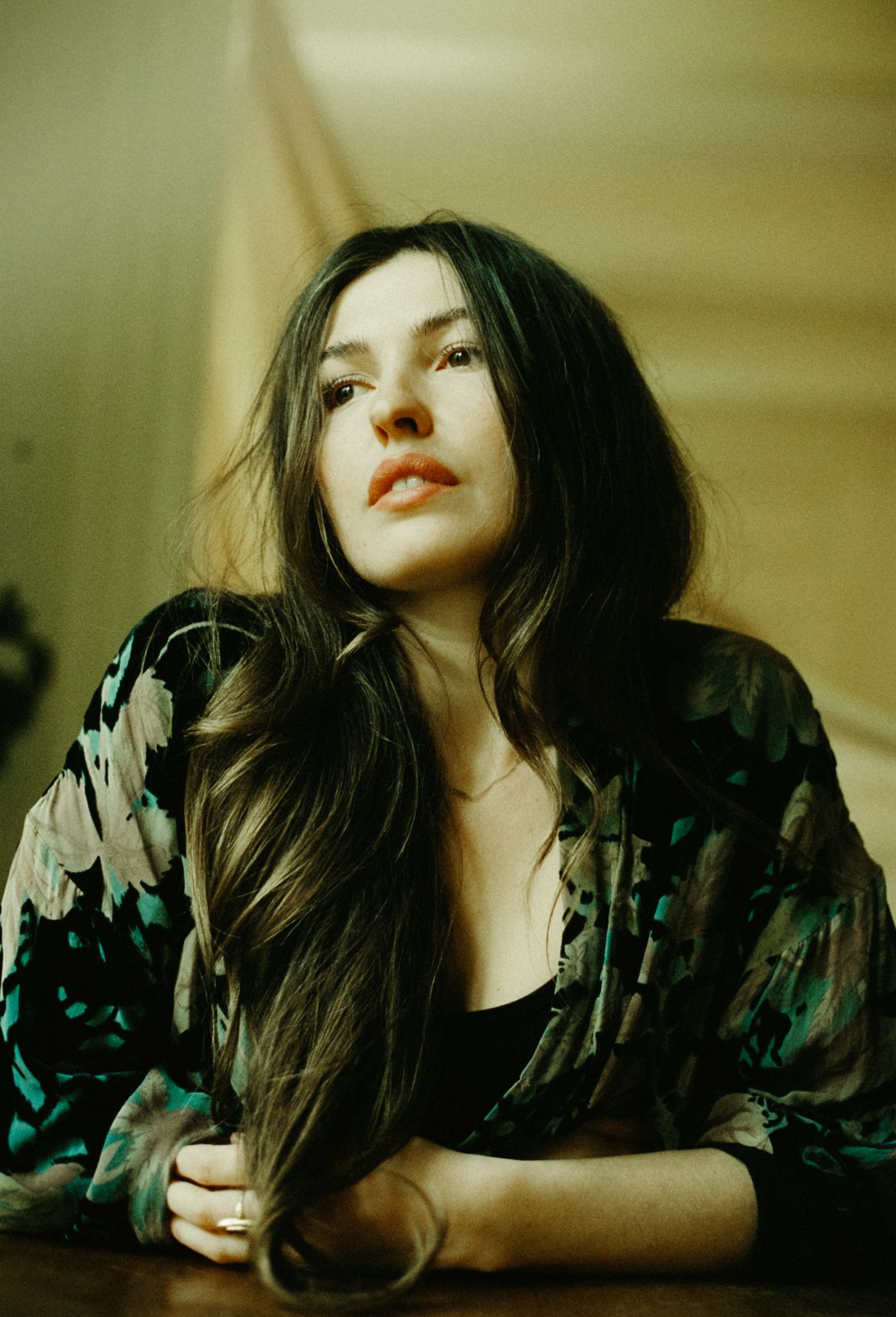
Marieke McKenna is a Scottish-Dutch philosopher, artist, historian, researcher and curator based between the Netherlands and the U.K.
Her interdisciplinary work explores metaphysics, phenomenology, consciousness studies, ecology, creativity and philosophies of nature through research, artistic practice, storytelling and sound. It moves between academia, music, performance, mythology, radio and embodied forms of knowledge.
As an artist, curator and cultural organiser she founded the record label Mink Records and co-founded Subterra Studios, a music studio complex in a former nuclear bunker for which she and her team secured €2.2 million in municipal investment. Across the past decade she has organised more than sixty interdisciplinary cultural events and been involved in over thirty music projects and releases.
From 2024 until the station closed in 2026 she hosted her own weekly national radio show, Round Midnight, on NPO Soul & Jazz: more than a hundred broadcasts weaving together forgotten musical histories, field recordings, philosophy, poetry and contemporary sound. Through radio and public programming she has interviewed more than two hundred artists, scientists, philosophers, psychologists and musicians.
She holds a BA in Philosophy and a Research MSc in History and Philosophy of Science, and is particularly known for her work on dreaming and altered states of consciousness. For the Max Planck Institute for the History of Science she led History of Lucid Dreaming Research, the first oral-historical examination of how lucid dreaming became an object of scientific inquiry, in collaboration with the Donders Institute. For this she received the Die Junge Akademie grant for outstanding emerging academic talent.
Artist statement
Marieke McKenna develops interdisciplinary performances and immersive artistic experiences that bridge sound, storytelling, philosophy, research and embodied collective experience. Her practice explores how artistic experience can function as a space for collective reflection and cultural imagination within an increasingly fragmented technological world.
Drawing from mythology, consciousness studies, ethnomusicology, ecology, art history and cross-cultural traditions of knowledge, she creates atmospheric journeys through time, memory, place and perception. Her work is guided by a metamodern sensibility: bringing ancient forms of storytelling, ritual and embodied knowledge into dialogue with contemporary scientific and philosophical inquiry.
Rather than working within fixed disciplinary boundaries, she approaches each project kaleidoscopically, allowing the philosophical or existential question at its centre to determine the form through which it unfolds.
Her practice is informed by the idea of the Lebenskünstler, the artist of life: the conviction that atmosphere, hospitality, language and the spaces we inhabit are themselves an artistic medium.
On beauty & adornmentin her own words
“As a little girl, I spent a lot of time running wild in the mountains and on the beaches of the Scottish Highlands, where my family is from.
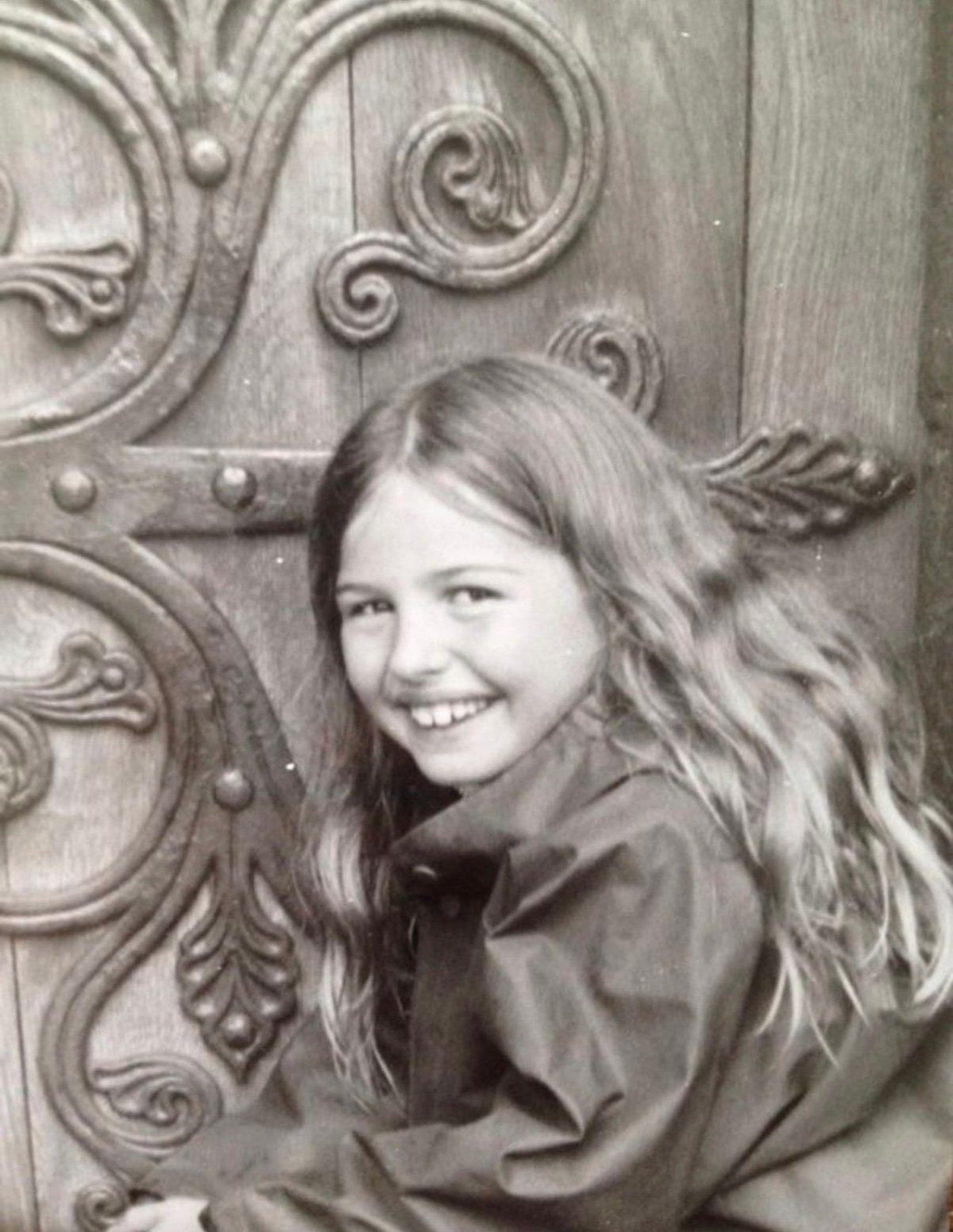
There I first encountered the spell of the sublime: a deep fascination with and love for nature, and an almost obsessive urge to collect and adorn myself and everything else with shells, ferns, minerals and rocks. Why do so many children feel this spiritual magnetism towards these objects?
As a philosopher interested in art and culture I have often pondered the question of beauty: what it is, and why we are drawn to it. Adornment, as a deeply embodied practice, is not just decoration added to daily life; it is a way of bringing consciousness into alignment with the living patterns of the cosmos.
As taught by the non-dual Śaiva Tantra traditions of medieval India, alignment arises through this process because the cosmos itself is the ornamentation of the primordial creative power. Much of my work is about exactly this.”
Press & conversations
- 20263voor12 Den Haag (VPRO)“Van bunker tot strand: de wereld van Marieke McKenna”
- 2025de VolkskrantInterview on cultural budget cuts
- 2023–25Den Haag Centraal, Resident Advisor, DJ Mag, Mixmag, de Volkskrant, De TelegraafOn Subterra Studios
- BBC 6 MusicFeature on Mink Records, Gideon Coe
- Noisey / ViceOn running an independent label
From my cabinet of curiosities
A turning sphere of images I collect: sky discs, star charts, spirals, shells and suns.